

AP Language and Composition is typically offered to Junior students who have already successfully mastered the skills in the PreAP 9 and PreAP 10 courses. However, under unique circumstances, a student may enroll in AP Language and Composition without having taken the PreAP classes. Students who have not mastered skills in PreAP10 can get caught up and learn the material; however, it is still highly recommended that a student successfully pass the PreAP 9 and PreAP 10 courses prior to attempting the rigor and intensity of AP Language and Composition.
AP Language and Composition will focus on composing and analyzing skillful argument both orally and in writing, through lesson variety, discussion, writing, and other miscellaneous formats.
To see the AP Language and Composition 2021/2022 Class Syllabus, click CLASS SYLLABUS.
Below, you will find extended information about the course, expectations, and objectives of the AP Language and Composition course as well.
Click on the links below to visit the AP Language and Composition Google Classroom site for your block for more class content and resources and to turn in work or find assignments.
AGENDAS
- Please see our Google Classroom for daily class agendas and classwork resources, such as assignments, Google Slide presentations, and other documents needed to complete your work for class.
RESOURCES
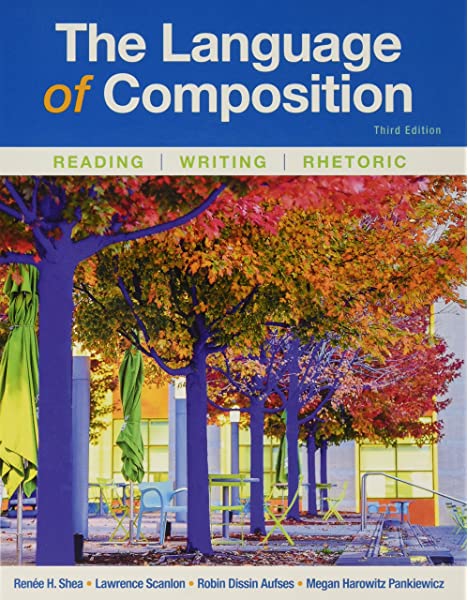
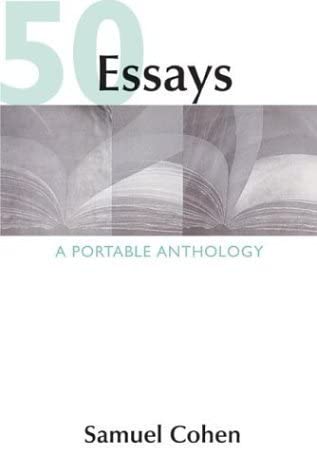

General Learning Objectives
- Analyze and interpret samples of purposeful writing, identifying, and explaining an author’s use of rhetorical strategies.
- Analyze images and other multi-modal texts for rhetorical features.
- Use effective rhetorical strategies and techniques when composing.
- Write for a variety of purposes.
- Respond to different writing tasks according to their unique rhetorical and composition demands, and translate the rhetorical assessment into a plan for writing.
- Create and sustain original arguments based on information synthesized from readings, research, and/or personal observation and experience.
- Evaluate and incorporate sources into researched arguments.
- Demonstrate understanding of the conventions of citing primary and secondary sources.
- Gain control over various reading and writing processes, with careful attention to inquiry (research), rhetorical analysis and synthesis of sources, drafting, revising/rereading, editing, and review.
- Converse and write reflectively about personal processes of composition.
- Demonstrate understanding and control of Standard Written English as well as stylistic maturity in their own writing.
- Revise a work to make it suitable for a different audience.
Plagiarism Policy
The following paragraph must be submitted with all drafts of written assignments. Students must sign below the paragraph to indicate that they are aware of this policy:
Plagiarism is using another person’s thoughts and accomplishments without proper acknowledgment or documentation. It is an unconscionable offense and a serious breach of the honor code. In keeping with the policy, students will receive a zero for the plagiarized work.
Any plagiarism on class work will be scored/graded as a zero.
Grading
In this course, student thinking, writing, reading, listening, and speaking performance are at the center of class activity. Grading is viewed in this context. Students progress is continually assessed, as evidenced through written work, in-class task commitment, homework, and daily preparation. Course products are regularly reviewed. One goal of evaluation is to enable students to become more confident and comfortable with self-assessment.
Student knowledge and ability will be observed and assessed regularly through student products: written pieces, reading analysis, on-demand writing, portfolio work, homework, tests and quizzes, reading journals, and class notes.
The usual A-B-C-D-F system is used to grade student work for each grading period (quarters and semesters). While the student is exercising appropriate effort, work that does not meet a satisfactory standard can be revised and/or corrected as many times as is necessary. At any time, a student may request a conference with the teacher in order to discuss progress or work being completed in order to improve skills and meet a higher standard for a stronger grade.
_______________________________________________________________________________________________________________
“Never underestimate anyone because the one you think is a silent spark can instead be a fierce fire in disguise.” -Shivam Oswal
 Mrs. Marcinkus